
News Desk · Everything Space
Taurid meteor showers to overlap in late October and November, bringing chance of fireballs
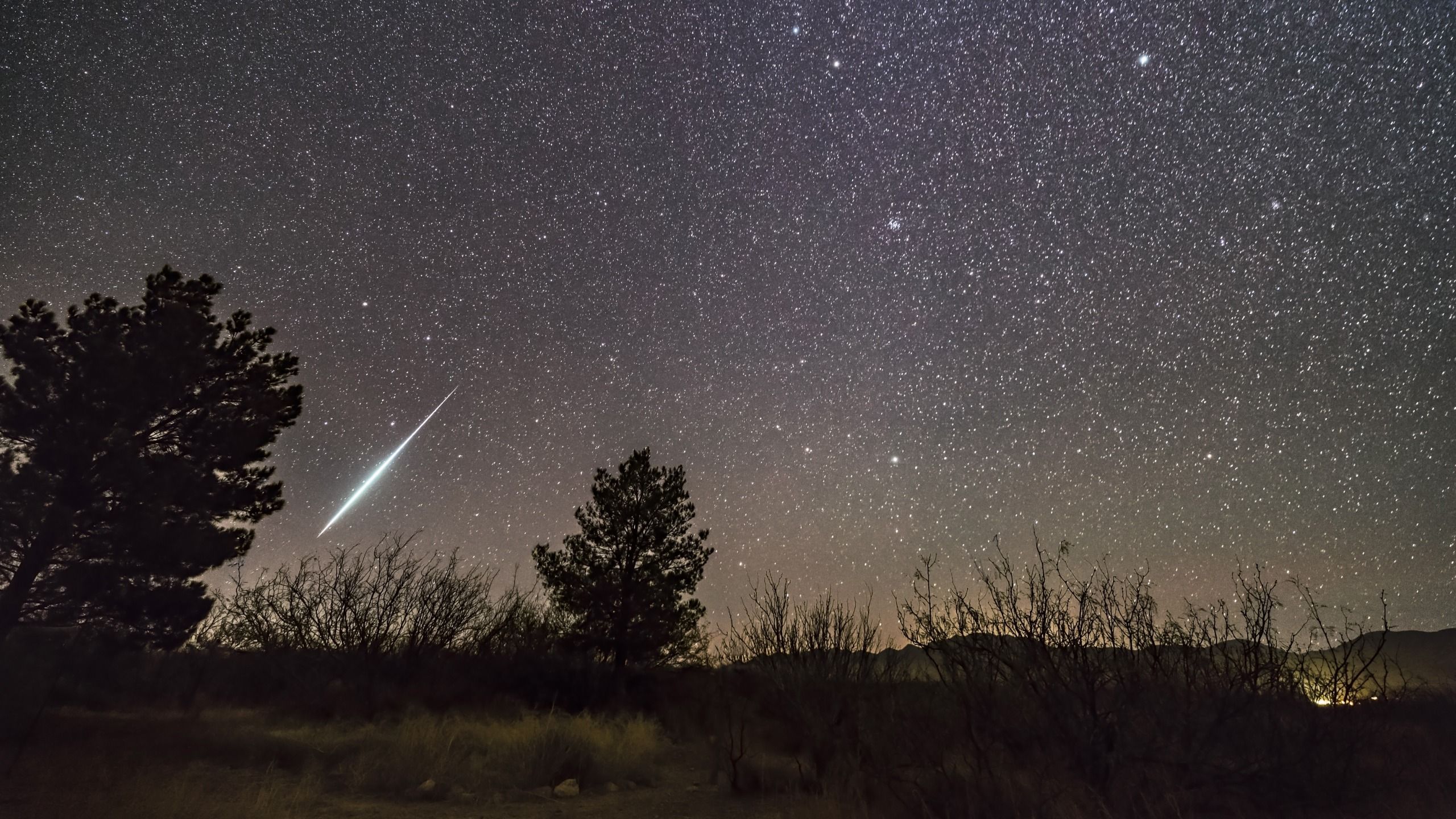
Image: Space.com
Two overlapping meteor streams linked to comet 2P/Encke produce slow, bright fireballs, with little moonlight interference expected this year.
The Southern and Northern Taurid meteor showers are active through autumn, overlapping in late October and into November to create what skywatchers nickname the 'Halloween fireballs.' Though their overall rates are low, the showers are known for producing occasional bright, slow-moving fireballs visible from both the Northern and Southern hemispheres.
The Southern Taurids are already active and run from late September through late November, with a fireball-associated peak expected overnight on Nov. 4-5. The Northern Taurids become active in late October and continue into December, peaking overnight on Nov. 11-12. Both showers typically produce only around five meteors per hour under ideal conditions, but when active simultaneously, combined rates can reach about ten meteors per hour.
Observing conditions this year look favorable, as the moon will be largely absent from the sky during both peaks, reducing light interference. Taurid meteors move relatively slowly, around 17 to 18 miles per second, making them appear as longer, more dramatic streaks compared to faster showers.
The nickname 'Halloween fireballs' stems both from the timing of the overlapping peaks near Halloween and from the shower's tendency to produce unusually bright meteors caused by larger debris fragments entering the atmosphere. Particularly strong fireball displays have occurred in past years such as 2008, 2015 and 2022, though the next predicted swarm of enhanced activity is not expected until 2032, meaning 2026 is not anticipated to be an exceptional year.
Both showers originate from debris associated with Comet 2P/Encke, which has the shortest known orbital period of any comet, as part of a larger complex of dust and rocky fragments thought to stem from the breakup of a larger object long ago. Each year, Earth passes through different portions of this debris stream, producing the overlapping Taurid showers and occasional fireballs.
Skywatchers do not need to locate the Taurus constellation specifically, since meteors can appear anywhere in the sky. The recommended approach is simply to find a dark location away from artificial light, allow time for eyes to adjust, and watch patiently, since the Taurids are characterized by sparse but potentially memorable meteors rather than frequent activity.
Sources
The 'Halloween Fireballs' are coming. Here's what to expect from the Taurids this October
Written in Everything Space’s own words by our news-desk model from the sources above, and checked against them in code: every number in this report appears in its sources, and no sentence is copied from them.