
News Desk · Everything Space
SpaceX aims for a 37th flight of one Falcon 9 booster on its 100th mission of the year
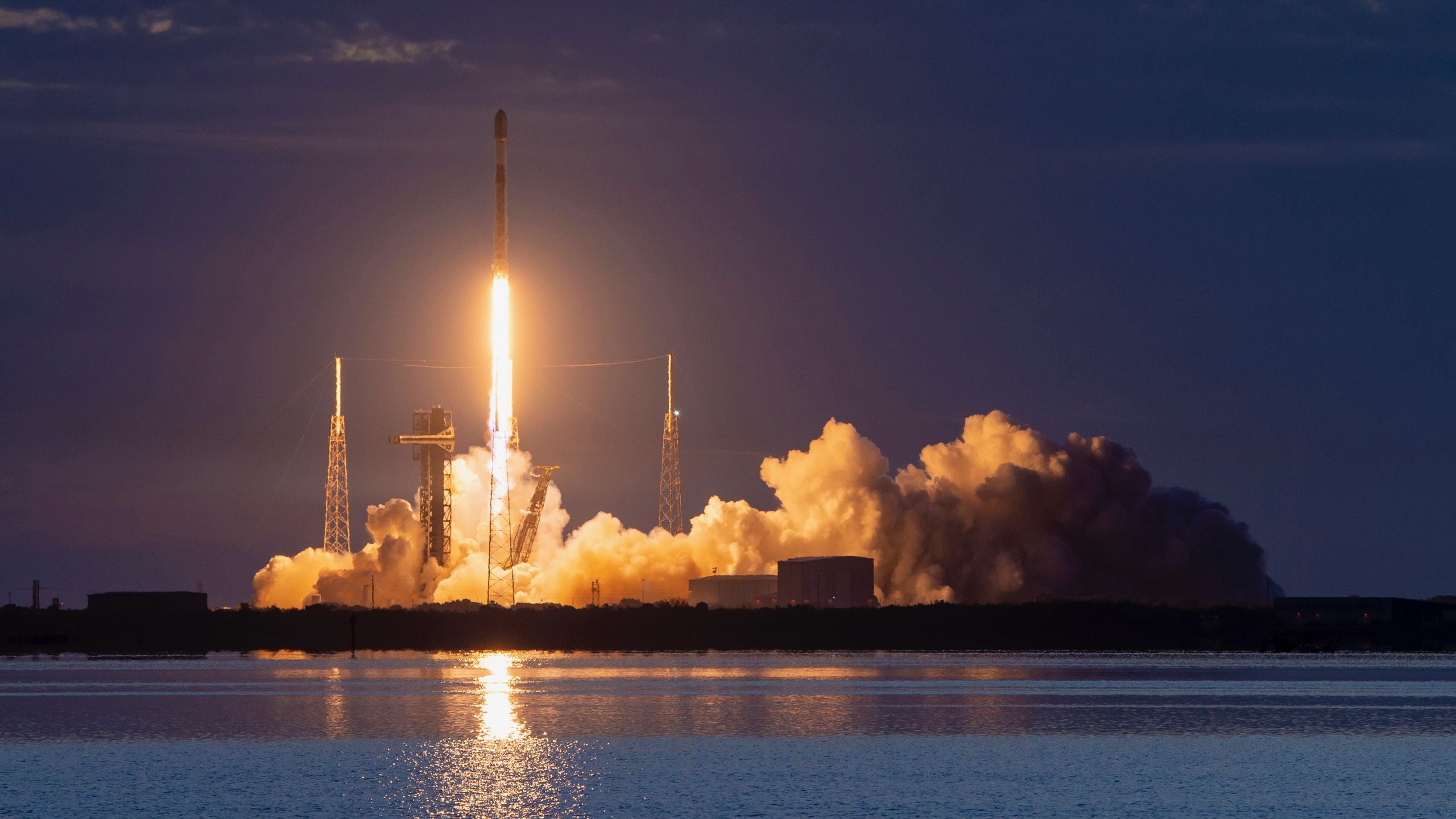
Image: Space.com
The Cape Canaveral Starlink launch would set a new record for how many times a single orbital rocket stage has flown and returned.
SpaceX is set to launch 29 Starlink satellites from Cape Canaveral Space Force Station on Tuesday, Aug. 25, in a four-hour window opening at 1:49 a.m. EDT (0549 GMT). The flight would mark the 100th Falcon 9 mission of 2026 and, if successful, a record 37th trip to space for the rocket's first stage, the booster designated B1067.
The company plans to recover that booster once again, with a landing on the droneship A Shortfall of Gravitas in the Atlantic roughly 8.5 minutes after liftoff. The upper stage is scheduled to release the satellites into low Earth orbit about 61.5 minutes after launch. SpaceX intends to stream the mission beginning around 10 minutes before the countdown ends.
Deep booster reuse remains the economic core of the Falcon 9 program, which flew 165 missions last year — more than every other orbital rocket in the world combined, all of them successful. SpaceX now operates six boosters that have each flown at least 30 times, with B1067 leading the fleet at 36 flights heading into Tuesday.
Competitors are closing part of the gap. Two different Chinese rockets have landed their stages during orbital missions over the past six weeks, though neither vehicle has yet been returned to the launch pad for a second flight.
The mission would be the 77th of the year dedicated to expanding Starlink, already the largest satellite constellation ever built, with more than 11,000 operational spacecraft in service. SpaceX has also flown one Falcon Heavy and two suborbital Starship test flights in 2026; the next Starship launch, expected in early to mid-September, is intended to be the vehicle's first orbital attempt. Unlike the partially reusable Falcon family, which expends its upper stages, Starship is designed to be fully and rapidly reusable.
Sources
Written in Everything Space’s own words by our news-desk model from the sources above, and checked against them in code: every number in this report appears in its sources, and no sentence is copied from them.