
News Desk · Everything Space
Russian satellite made unusually close pass at US commercial radar satellite
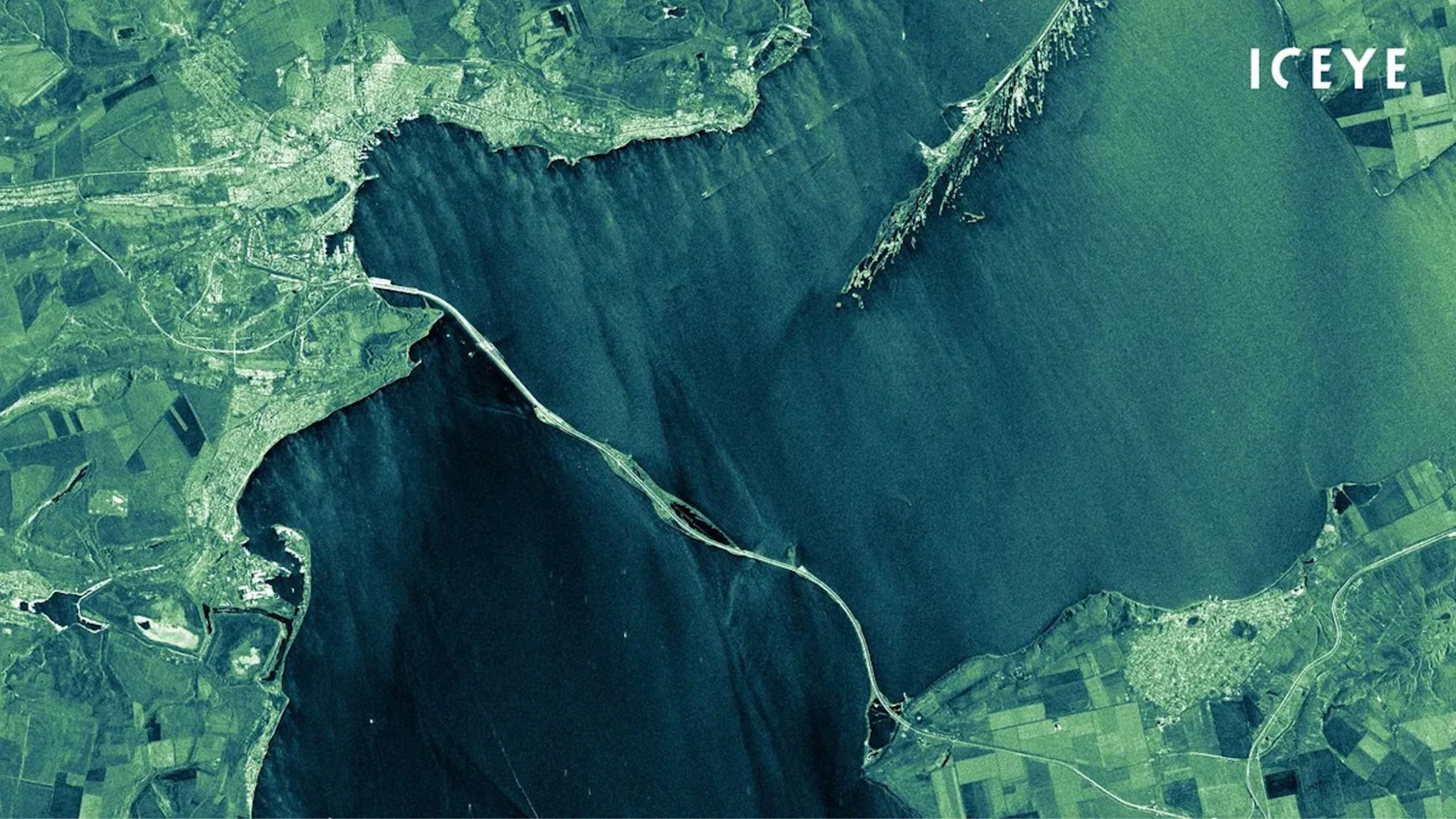
Image: Space.com
The encounter in low Earth orbit, reportedly within a few meters, raises concerns about Russia targeting satellites that supply imagery to Ukraine.
A Russian satellite named Kosmos 2612 conducted an extremely close approach to ICEYE-X36, an American-operated commercial satellite that uses synthetic aperture radar to observe Earth. Satellite trackers reported the encounter occurred between October 15 and October 19, with the two spacecraft possibly coming within just a few meters of each other at closest approach.
Analysts have called the event a worrisome development because it took place in low Earth orbit, where uncooperative satellite inspections by Russia have rarely, if ever, been documented at such close range. Previous Russian close approaches in this orbital regime, targeting US National Reconnaissance Office satellites, kept much greater distances of tens of kilometers.
What sets this incident apart is that ICEYE-X36 is a privately operated satellite rather than a classified government asset. ICEYE, a Finnish company with a US subsidiary, operates a large constellation of radar-imaging satellites, some of which supply data to Ukraine under an agreement formalized earlier this year to support Ukrainian military situational awareness.
Kosmos 2612 launched earlier this year alongside several other satellites, and by spring had maneuvered into a matching orbital plane with ICEYE-X36, a fuel-intensive move suggesting deliberate intent to track the commercial satellite over an extended period.
The exact motive behind the close pass remains unclear. Possibilities include Russia attempting to assess the capabilities of ICEYE satellites, interfere with their operations, or simply demonstrate space-based military capability at a time when ground conflict has reached a stalemate. One space security expert suggested the maneuver may be a show of force, given that Russia holds a clear advantage over Ukraine in space assets even as the two sides remain closely matched in drone warfare.
The episode highlights a broader trend of major space powers increasingly shadowing and inspecting each other's satellites, activity historically concentrated in geostationary orbit but now extending into lower altitudes. Experts argue that greater transparency from governments about such operations would be preferable to relying on independent trackers and hobbyists to uncover them.
Sources
Written in Everything Space’s own words by our news-desk model from the sources above, and checked against them in code: every number in this report appears in its sources, and no sentence is copied from them.