
News Desk · Everything Space
JWST detects record gas outflows in ancient quiescent galaxies, but most gas falls back
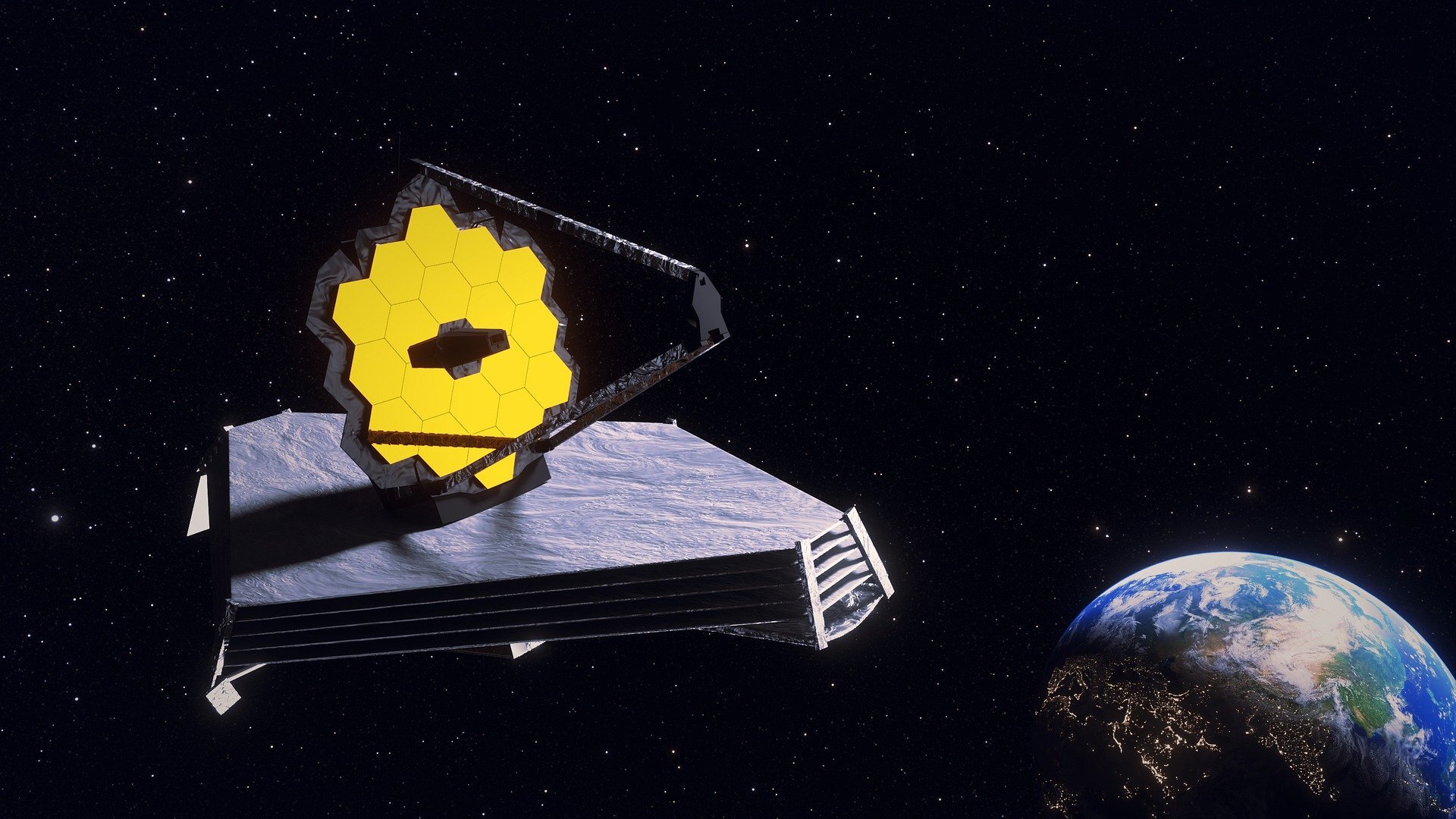
Image: Phys.org
The findings suggest these powerful winds may not permanently halt star formation, complicating theories of how galaxies stop making stars.
Astronomers using the James Webb Space Telescope have detected the strongest gas outflow yet measured in a distant quiescent, or 'dead,' galaxy, while also finding that such outflows may not be powerful enough to permanently stop star formation.
The study examined 23 massive galaxies that had already ceased forming new stars, observed from a period roughly 11 to 13 billion years in the past. Researchers tracked cool, neutral gas using a sodium absorption signature in the galaxies' light, a method that can reveal far more outflowing mass than the ionized gas signals typically studied.
After removing absorption signals caused by the stars themselves and running extensive noise tests to confirm real detections, the team found evidence of outflows in 13 of the 23 galaxies, with seven showing clear signs of gas moving away from the galaxy toward Earth's direction.
In every galaxy where outflows were detected, the rate of gas being expelled exceeded the galaxy's current star formation rate. However, most of the outflowing gas was not traveling fast enough to escape the galaxy's gravity permanently. Instead, it appears likely to fall back inward over a span of millions to hundreds of millions of years, potentially reigniting star formation once it returns.
One galaxy in the sample, referred to as DD-236, showed the most extreme outflow rate ever recorded outside the nearby universe, coinciding with signs of an actively feeding supermassive black hole at its core.
The researchers remain uncertain about what exactly drives these outflows. Only a small number of the outflow-hosting galaxies showed evidence of active black holes, and some active black holes showed no outflows at all, though the two most extreme cases were linked to active black holes. The team concluded that the outflows likely reflect a combination of past black hole activity and galaxy mergers rather than being directly tied to a single ongoing process, functioning more like recurring gas fountains than permanent shutdowns of star formation.
Sources
Webb measures extreme gas outflows from distant 'dead' galaxies
Written in Everything Space’s own words by our news-desk model from the sources above, and checked against them in code: every number in this report appears in its sources, and no sentence is copied from them.