
News Desk · Everything Space
Hubble and JWST find 27 small distant solar system objects with unexpectedly pristine surfaces
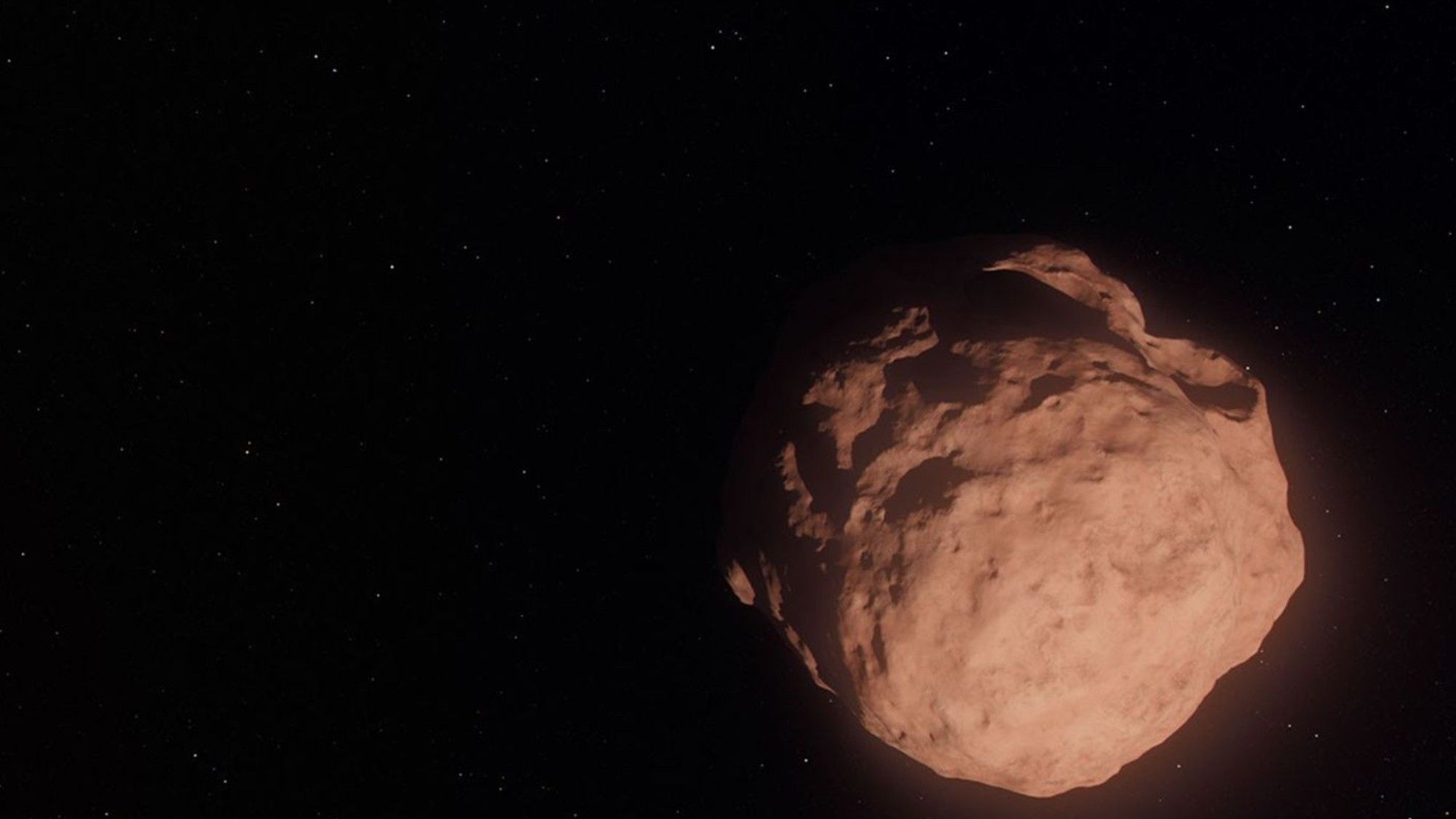
Image: Space.com
The surprising lack of surface alteration in these tiny trans-Neptunian objects challenges assumptions about collisions in the distant solar system.
Astronomers using the Hubble and James Webb space telescopes have identified 27 previously unknown trans-Neptunian objects, small bodies orbiting far beyond Neptune, none larger than 25 miles across and the smallest just 6 miles wide.
The objects were expected to show signs of frequent collisions that would alter their surface composition and color compared to larger relatives. Instead, researchers found the opposite: even the smallest objects appear to have retained their original surface makeup, suggesting they have not been significantly altered since formation.
This pattern held true for both types of trans-Neptunian objects studied — the dynamically 'cold' ones that formed in place with stable, near-circular orbits, and the 'hot' ones that formed near Uranus and Neptune before being flung into more distant, inclined orbits. Even though the hot objects have been gravitationally scattered, their surfaces still seem to preserve a record of their origin.
The findings raise two possible explanations: either collisions in the distant solar system are far less frequent than current models suggest, or such impacts occur but do not meaningfully disturb the surface material of small bodies.
Using James Webb's infrared capabilities, researchers were also able to determine the objects' sizes more precisely than visible-light observations would allow, since infrared brightness depends primarily on size rather than surface reflectivity. This revealed fewer very small objects than formation models had predicted.
Researchers noted that the size distribution of both cold and hot populations appears remarkably similar, despite forming under different conditions in the early solar system, suggesting the planetesimal formation process may be largely insensitive to the specific conditions of the protoplanetary disk.
The objects observed were extremely faint, pushing the observational limits of both telescopes and representing one of the deepest surveys yet conducted of the region beyond Neptune. The results were published as two related papers in The Astronomical Journal.
Sources
Written in Everything Space’s own words by our news-desk model from the sources above, and checked against them in code: every number in this report appears in its sources, and no sentence is copied from them.